
Are you Winter Ready?
As temperatures drop, we want to share some tips from our facilities team about how to protect property from weather related problems. Performing annual winterization protects asset integrity, maintains tenant safety, and prevents costly weather-related emergencies. Below is essential information to be winter ready.
Water, Plumbing, and Freeze Prevention
Water damage from burst pipes is the single most expensive preventable winter claim. Proactive steps are essential, especially in areas prone to freezing temperatures.
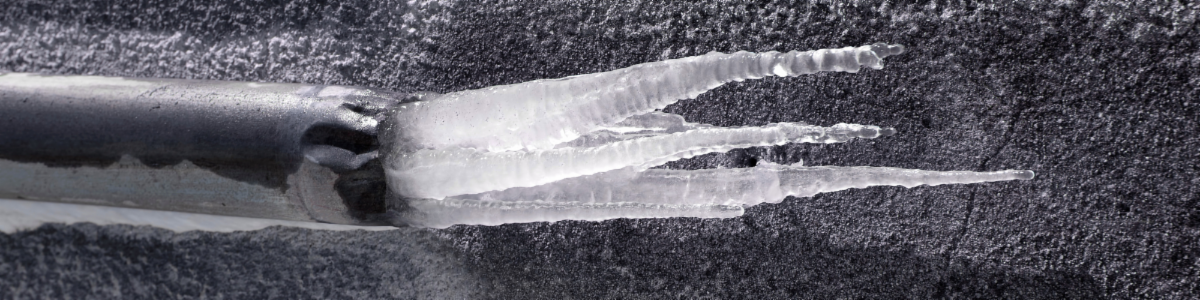
- Insulate Exposed Lines: Identify and insulate all exposed domestic water piping, backflow preventers, and sprinkler supply lines. Apply heat tracing tape to critical outdoor plumbing and confirm the tape is functional and energized.
- Drain Irrigation Systems: Completely drain all irrigation lines, pumps, and hose bibs, or ensure they are properly winterized (blown out) to prevent freezing and cracking.
- Monitor Vacant Apartment Units/Attics: Check any units or attic spaces located near exterior walls or roofs for drafts and cold spots, as these areas are common locations for uninsulated plumbing to freeze.
- Locate Shutoffs: Ensure all staff knows the location of the main water shutoff valve and how to operate it instantly in case of a burst pipe emergency.
Exterior Grounds and Stormwater Management
Heavy rains and freezing conditions create immediate slip hazards and potential property damage. While these items would have been addressed during the Winterization of your property, weather and the changes in the season may warrant further work throughout the winter.
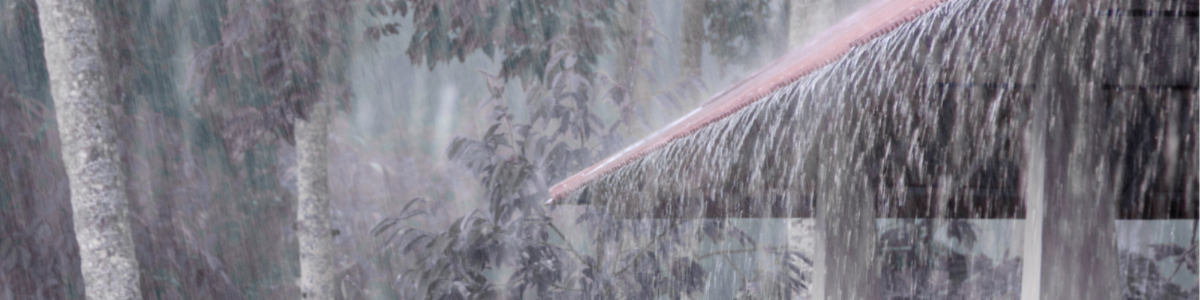
- Keep Drains and Gutters Clear: Perform a final sweep of all roof gutters, downspouts, and site storm drains. Ensure they are free of leaves, debris, and sediment to allow for maximum water runoff capacity during heavy rain events.
- Inspect Pavement Cracks: Identify and seal any significant cracks in parking lots or walkways. Water penetration into cracks, followed by freezing and thawing, leads to rapid asphalt degradation (potholes).
- Stock De-Icing Supplies: Ensure an ample supply of ice melt (pet-safe if applicable) is on hand and accessible to staff for immediate application on sidewalks, ramps, and high-traffic pedestrian areas during cold snaps.
- Review Snow Removal Contracts: Confirm that any third-party snow removal vendor contracts are active and verify the agreed-upon trigger depth and response time.
Safety and Security
Shorter days mean reduced visibility, making lighting and security critical throughout the winter months.
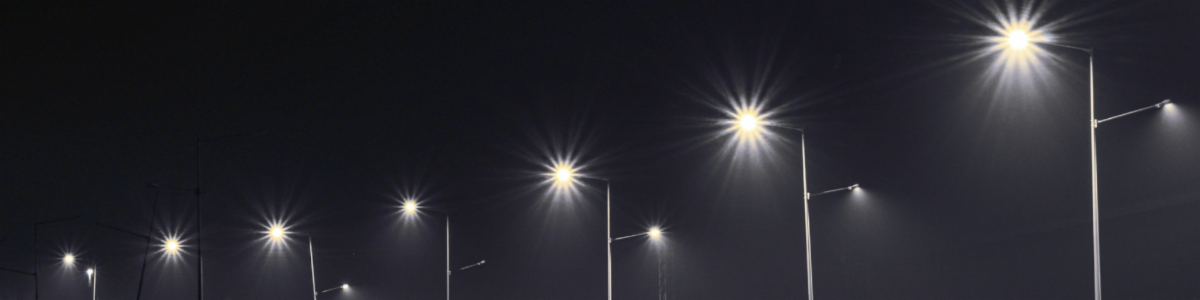
- Outdoor Lighting Audit: Conduct a full nighttime audit of all exterior security lights, parking lot lamps, and common area fixtures. Place a Work Order for all failed or dim bulbs immediately to deter crime and prevent tenant trips/falls.
- Access Control: Notify Facilities and/or IT if gate operators and card readers are not operating correctly.
- Fire System Check: Confirm the date of the last required fire alarm and sprinkler inspection (Annual/Monthly). If the building uses a dry-pipe sprinkler system, confirm the air pressure is within the correct range.